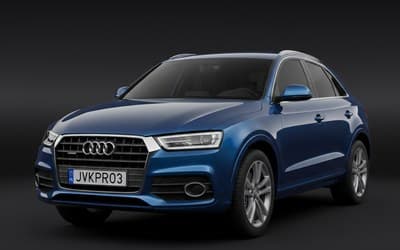
Audi Q3 Stage 1
24 engines – 120–367 hp
24
engines
+123 hp
Max gain
+30%
Avg. gain
✓
Eco Tuning

F3 - 2019 ->
7 engines
| Engine | Fuel | Stock (hp) | Stage 1 (hp) | Gain |
|---|---|---|---|---|
| 45 TFSI (2.0T) 230hp | Petrol | 230 | 301 | +71 (31%) |
| 40 TFSI (2.0T) 190hp | Petrol | 190 | 246 | +56 (29%) |
| 35 TDI (2.0D) 150hp | Diesel | 150 | 197 | +47 (31%) |
| 40 TDI (2.0D) 200hp | Diesel | 200 | 243 | +43 (22%) |
| 35 TFSI (1.5T) 150hp | Petrol | 150 | 187 | +37 (25%) |
| 40 TDI (2.0D) 190hp | Diesel | 190 | 223 | +33 (17%) |
| 45 TFSI-e 245hp | Petrol | 245 | 271 | +26 (11%) |
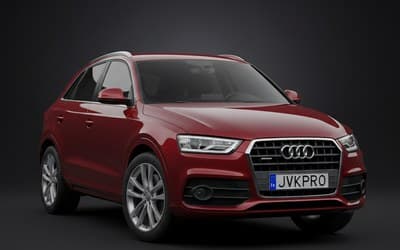
U8 - 2011 - 2015
8 engines
| Engine | Fuel | Stock (hp) | Stage 1 (hp) | Gain |
|---|---|---|---|---|
| 2.5 TFSI RS 310hp | Petrol | 310 | 423 | +113 (36%) |
| 2.0 TFSI 170hp | Petrol | 170 | 262 | +92 (54%) |
| 2.0 TFSI 211hp | Petrol | 211 | 263 | +52 (25%) |
| 2.0 TDI CR 136hp | Diesel | 136 | 187 | +51 (38%) |
| 2.0 TDI CR 163hp | Diesel | 163 | 212 | +49 (30%) |
| 2.0 TDI CR 140hp | Diesel | 140 | 186 | +46 (33%) |
| 2.0 TDI CR 177hp | Diesel | 177 | 211 | +34 (19%) |
| 1.4 TFSI 150hp | Petrol | 150 | 171 | +21 (14%) |
U8 - 2015 - 2018
9 engines
| Engine | Fuel | Stock (hp) | Stage 1 (hp) | Gain |
|---|---|---|---|---|
| 2.0 TFSI 180hp | Petrol | 180 | 303 | +123 (68%) |
| RS 2.5 TFSI 340hp | Petrol | 340 | 423 | +83 (24%) |
| 2.0 TFSI 220hp | Petrol | 220 | 301 | +81 (37%) |
| 2.0 TDI CR 120hp | Diesel | 120 | 187 | +67 (56%) |
| RS 2.5 TFSI Performance 367hp | Petrol | 367 | 423 | +56 (15%) |
| 1.4 TFSI 125hp | Petrol | 125 | 173 | +48 (38%) |
| 2.0 TDI CR 150hp | Diesel | 150 | 196 | +46 (31%) |
| 2.0 TDI CR 184hp | Diesel | 184 | 222 | +38 (21%) |
| 1.4 TFSI 150hp | Petrol | 150 | 173 | +23 (15%) |
FAQ
Is Stage 1 safe for the engine?+
Yes, Stage 1 is a mild optimization within factory safety margins. We use dealer-level equipment and verify results on a dyno.
How long does it take?+
Usually 2–4 hours, including diagnostics, remapping, and a control measurement on our dynamometer.
Does it affect fuel consumption?+
Stage 1 can reduce consumption (better torque curve) or slightly increase it under aggressive driving. On average, consumption stays the same.